💧 Water Intake Calculator — Daily Hydration Target for Your Body
Find your personalised daily water target based on weight, activity level, and climate — including how much comes from food.
Quick Hydration Facts
Sources: US NAS, ACSM, WHO
How Your Body Uses Water: Why Hydration Matters
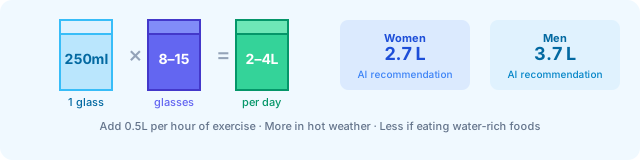
Water is involved in virtually every biological process — regulating temperature, transporting nutrients, flushing waste, lubricating joints, and enabling cellular metabolism. Even mild dehydration (1–2% of body weight) impairs cognitive performance, reduces physical endurance by up to 10%, and increases perceived effort.
Your kidneys regulate fluid balance tightly, but they rely on adequate input. In hot conditions or during exercise, sweat losses can exceed 1–2 litres per hour, outpacing what most people drink instinctively.
This calculator uses the standard 35ml per kilogram of body weight formula as its base, then multiplies by your activity and climate factors — a method used by sports dietitians and consistent with ACSM guidelines.
What water does in your body
Signs of Dehydration by Severity
Recognise the warning signs before performance and health are affected.
Mild (1–2% body weight)
- Thirst
- Slightly darker urine (yellow)
- Dry mouth
- Mild fatigue
- ↓ 5–10% cognitive performance
Moderate (3–5% body weight)
- Headache
- Reduced urine output
- Muscle cramps
- Irritability and poor concentration
- ↓ 10–20% athletic performance
Severe (>6% body weight)
- Rapid heartbeat
- Sunken eyes
- Very dark or no urine
- Confusion or dizziness
- Medical emergency — seek help
Frequently Asked Questions
Water Intake Calculator for Weight Loss — Does Drinking Water Help?
Water and weight loss are genuinely connected, though not in the way most headlines imply. Drinking 500ml of cold water increases metabolic rate by 24–30% for about 60 minutes, a small but real thermogenic effect. More practically, water has zero calories and creates gastric distension — the physical sensation of fullness — before meals. A 2010 randomised controlled trial published in Obesity found that adults who drank 500ml of water 30 minutes before each meal lost 44% more weight over 12 weeks than those who did not. Replacing caloric beverages (juice, soda, energy drinks) with water is often the single highest-impact dietary change for weight management. This calculator helps you find the right target so you're never drinking too little — or so much that it becomes counterproductive.
How Much Water Should I Drink While Exercising? Per Hour?
Exercise dramatically increases water needs. Your body loses water primarily through sweat (to cool the body) and respiration (faster breathing expels water vapour). At moderate intensity (jogging, cycling), sweat losses range from 0.5 to 1 litre per hour. At high intensity in hot conditions, losses can exceed 2 litres per hour. The American College of Sports Medicine (ACSM) recommends: drink 5–7ml per kilogram of body weight in the 4 hours before exercise, 150–250ml every 15–20 minutes during exercise, and 1.5 times the weight lost after exercise. For a 70kg person, this means roughly 350–490ml pre-exercise, about 200ml every 15–20 minutes during, and careful rehydration post-exercise. For sessions over 90 minutes, replace electrolytes (sodium, potassium) alongside fluids to prevent hyponatraemia.
Water Intake During Pregnancy and Breastfeeding
Hydration needs increase meaningfully during pregnancy and breastfeeding. During pregnancy, blood volume expands by up to 50%, amniotic fluid must be maintained, and the developing foetus needs water for every metabolic process. The US NAS recommends pregnant women increase total water intake by approximately 300ml per day above their baseline. Morning sickness, common in the first trimester, can cause dehydration that requires active compensation. During breastfeeding, breast milk is roughly 88% water. The body needs approximately 700–900ml of extra water daily to produce an adequate milk supply — inadequate hydration is a leading cause of reduced milk production. This calculator adds 300ml for pregnancy and 700ml for breastfeeding when selected. Signs that a breastfeeding parent needs more water include dark urine, reduced milk output, and persistent thirst.
Water Intake Calculator: The Science Behind Your Target
The 35ml per kilogram formula used by this calculator is one of the most widely cited clinical guidelines for estimating baseline fluid needs in healthy adults. It aligns with recommendations from the European Food Safety Authority (EFSA), which sets adequate intake at 2.5L for men and 2.0L for women from beverages alone (excluding food water).
Why the 20% Food Rule Matters
Approximately 20% of daily water intake comes from solid foods, particularly fruits and vegetables. Cucumbers, lettuce, and tomatoes are over 95% water by weight. This is why the calculator shows separate beverage and food contributions — drinking to your total target without accounting for food water would result in overhydration for most people.
Hydration Is Individual
Kidney function, medications (diuretics, lithium), gastrointestinal conditions, and individual metabolic rate all affect fluid needs beyond what any formula can capture. Athletes who sweat heavily may require significantly more than the calculator suggests, while people with kidney disease or heart failure may need to restrict fluids. Always consult a healthcare provider if you have specific medical conditions.
Note: This calculator provides general wellness guidance. It is not medical advice. If you have kidney disease, heart failure, or take medications that affect fluid balance, consult your doctor before changing your water intake significantly.